

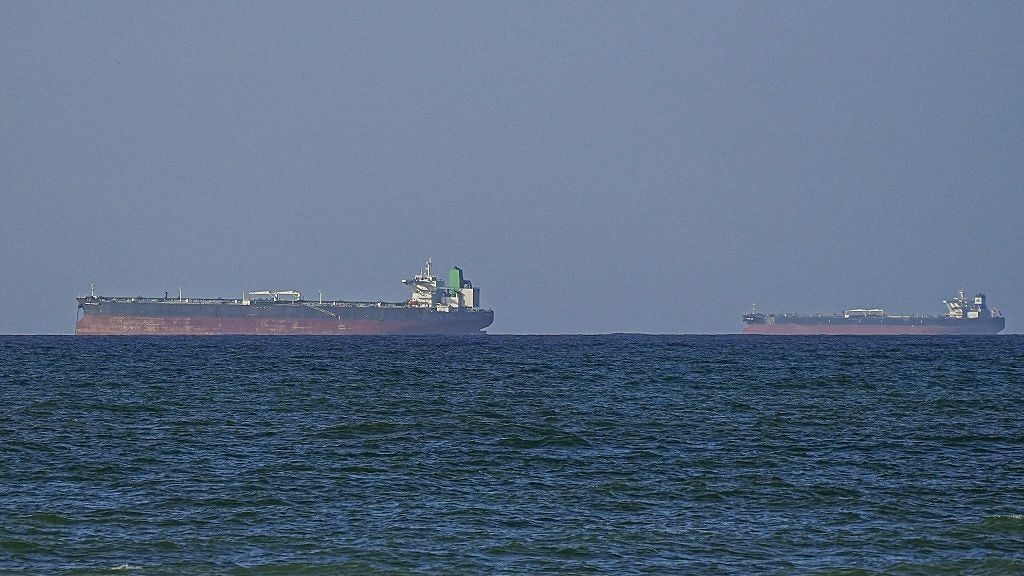
Prolonged disruption to the Strait of Hormuz could escalate into a global agri-food crisis unless vessels carrying farm inputs resume transit quickly, the UN Food and Agriculture Organization has warned.
The disruption could lead to a surge in food inflation later this year and a broader economic fallout reminiscent of the period after the height of the Covid-19 pandemic, the agency said.
The FAO said 20% to 45% of exports of key agri-food inputs depend on shipping through the Strait of Hormuz.
It warned if farmers are forced to cut back on input use, crop yields will decline later this year and into 2027, raising food commodity prices and retail food inflation for the next several years.
FAO agri-food economics division director David Laborde said: “We are in an input crisis; we don’t want to make it a catastrophe.”
FAO chief economist Máximo Torero added: “The last thing we want is lower crop yields and higher commodity prices and food inflation for the next year.”
The warning comes as broader market concern over food inflation has shifted from whether it will happen to when, despite the temporary ceasefire between the US and Iran.
Higher oil and gas costs are already raising pressure across the food chain, while the Middle East accounts for roughly 40% of global fertiliser exports.
According to the FAO, March food prices had been supported by “ample” global supplies, especially in cereals, limiting volatility for now.
Pressure will mount in April and strengthen further in May, when growers make key planting and input decisions, the agency said.
Farmers may switch crops in response to the limited availability of fertiliser, while higher oil prices could also encourage more land to be directed toward biofuel production at the expense of food output, it added.
The latest FAO Food Price Index offers an early sign of that pressure.
World food commodity prices rose month on month in March, led by vegetable oil and sugar, largely due to the cost of energy tied to the Iran war, a UN report shows.
The index averaged 128.5 points in March, up 2.4% from the revised February level, marking a second consecutive monthly increase.
All five commodity groups tracked by the index – cereals, vegetable oils, meat, dairy and sugar – increased.
The FAO urged governments to avoid export restrictions on energy and fertilisers and to reassess biofuel mandates.
It also said multilateral financing may be needed for countries at risk of losing access to essential fertiliser during planting seasons, pointing to tools such as the International Monetary Fund’s (IMF) balance-of-payments facilities and Food Shock Window.
The IMF, World Bank and World Food Programme have likewise warned that rising energy, fertiliser and transport costs will increase food insecurity, particularly in low-income, import-dependent countries.