
Anheuser-Busch InBev US business “stabilising”, CEO says
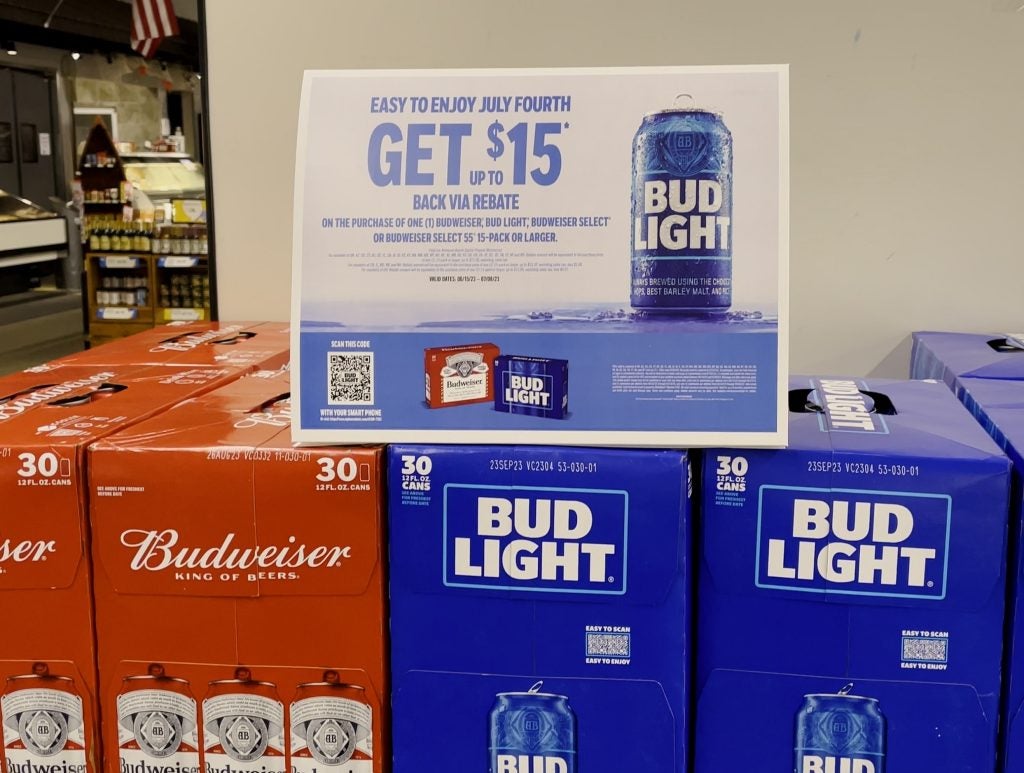
Michel Doukeris says AB InBev is seeing “a more stable scenario” for its US business as it looks to move on the backlash against Bud Light.

07 August 2023
07 August 2023
Michel Doukeris says AB InBev is seeing “a more stable scenario” for its US business as it looks to move on the backlash against Bud Light.
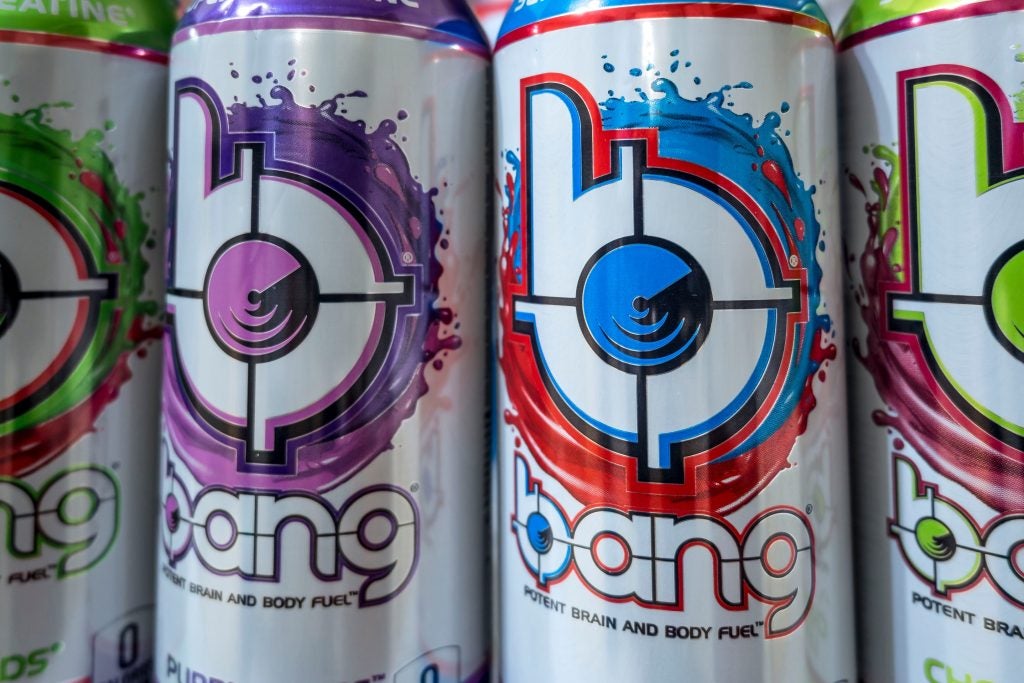
The new owner is to review Bang’s product range but believes the brand has a role to play in its portfolio.
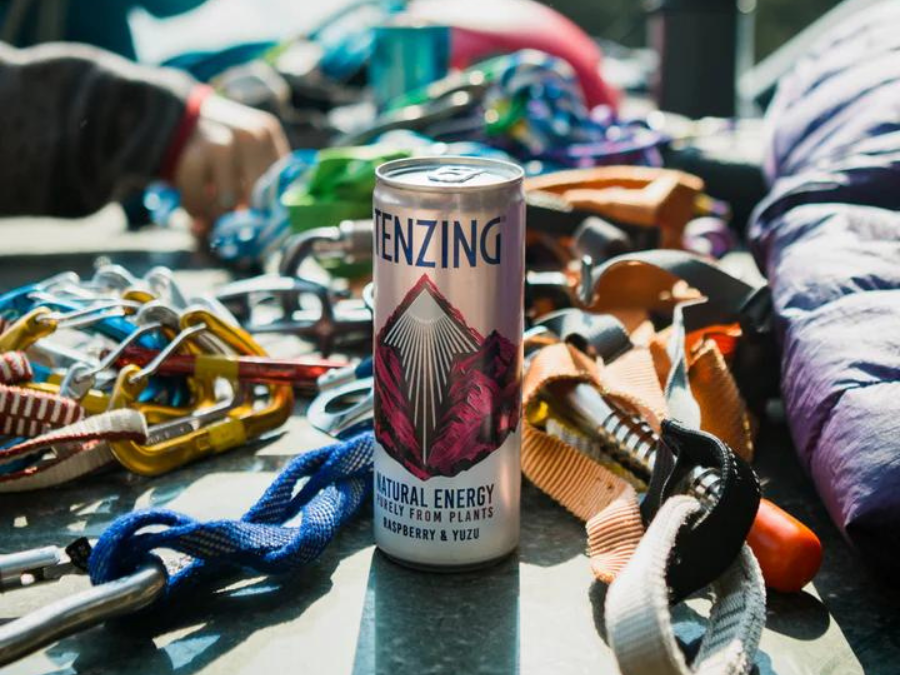
Tenzing was founded in 2016, by Huib van Bockel, a former marketing director for Red Bull.
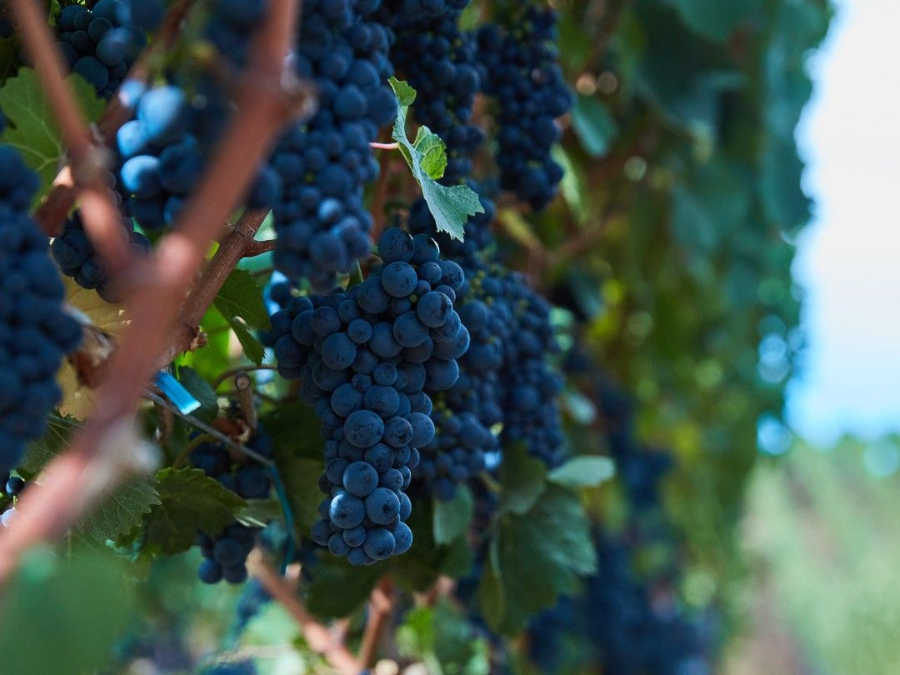
The US wine major reportedly informed its growers it wants to reduce its total grape supply by 40%.
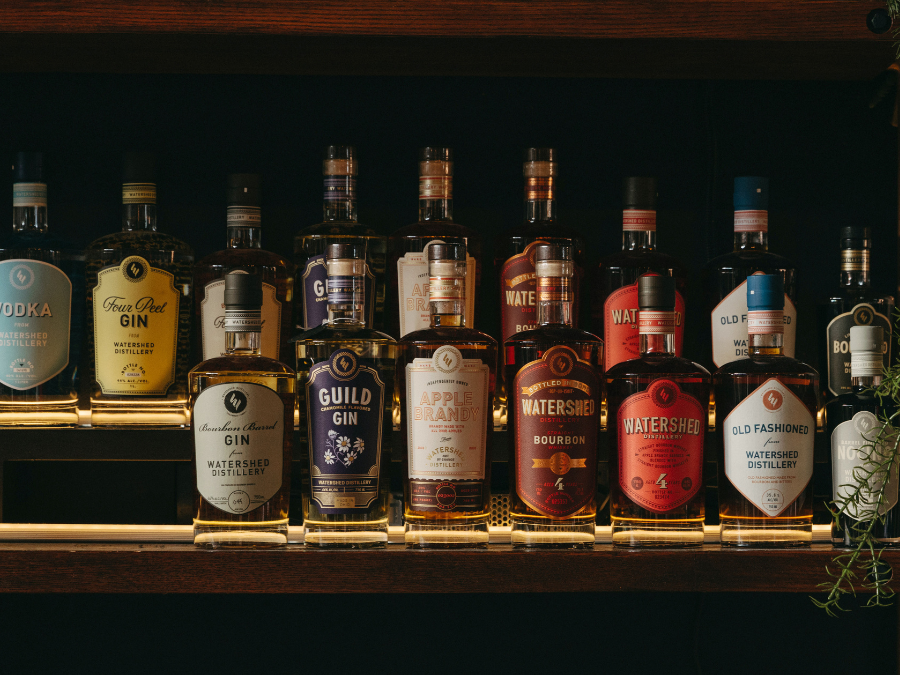
The Ohio-based distiller will continue to produce its same spirits under the new ownership.
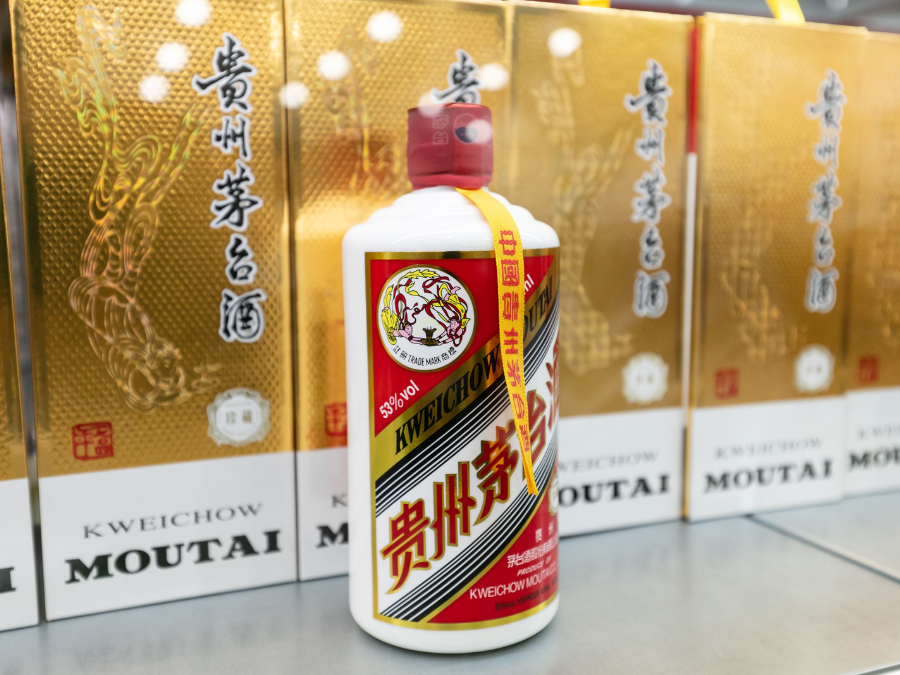
Six of the top ten most valuable spirits brands in the world hail from China.
Two more acquisitions from Britvic demonstrate the UK group’s appetite for new growth avenues.
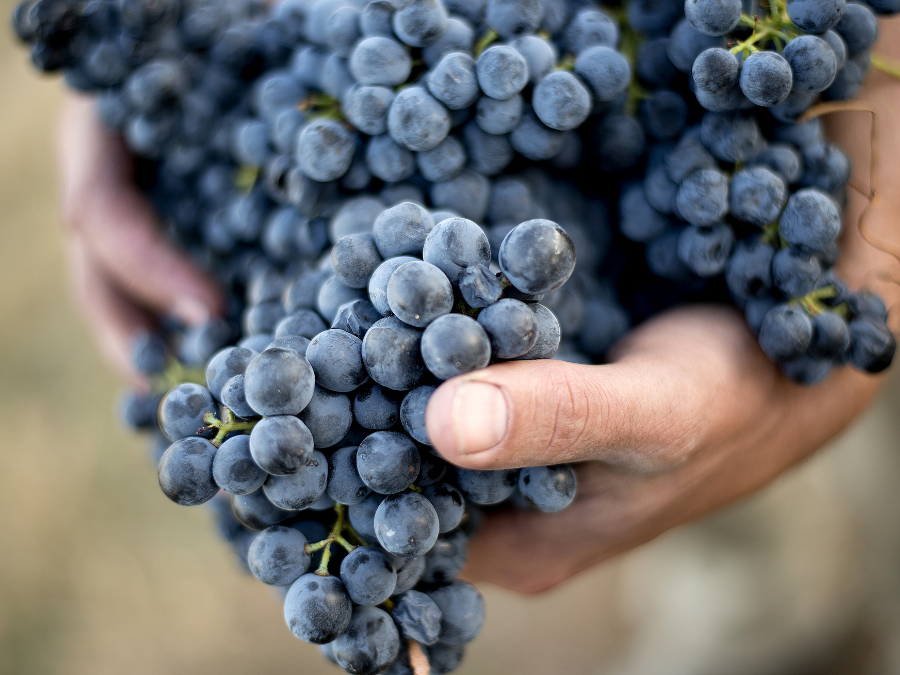
Looking again at grape varieties, rootstocks and massal selection could help growers adapt to rising temperatures.

In collaboration with Just Drinks, the 25th Annual International Beer Strategies Conference will return on the 10th-12th of October 2023 in Melia Berlin, Germany. This year’s speakers include industry leaders such as Brewdog, Asahi, AB InBev, Diageo, and The Boston Beer Company, as well as some of the most exciting new and emerging companies such as Lucky Saints, JoyBräu, Big Drop Brewing Co, and many more. Don’t miss out on this exclusive event – register your place today.

GlobalData estimates the total AI market will be worth $909 billion in 2030, growing at a CAGR of 35.2% between 2022 and 2030. The consumer goods, foodservice, and packaging sectors are undergoing digital transformation, accelerated by the COVID-19 pandemic and changing consumer preferences. AI can help companies operating in these sectors by significantly reducing costs and production times. In Nestlé's 2022 full-year results, the company announced a renewed focus on digitalization to drive growth. Financial and reputational pressures associated with supply chain disruptions and sustainability concerns are also driving interest in the digitalization of supply chains. Data science and ML are strong investments across all areas. However, the sectors cannot stop at AI-powered data analytics applications. They must also explore computer vision (CV), smart robots, AI sensors that automate manufacturing and distribution logistics, and generative AI tools that increase efficiency across corporate departments and customer service operations and enable innovation in product design. For the most part, the consumer goods, foodservice, and packaging sectors will not play a significant role in creating and developing AI hardware or platforms. Instead, these sectors will help scale up the adoption of AI technologies, such as CV, conversational platforms, and smart robots. This adoption will be driven by the financial benefits and potential cost savings AI automation delivers across global supply chains.

Give your business an edge with our leading industry insights.