

Enter any large supermarket in the UK today and you will almost certainly find a dedicated ‘functional drinks’ section of an aisle, or, at the very least, a selection of functional beverages to pick from as part of a lunchtime ‘meal deal’ offer.
These drinks are also changing grocery layouts in the US. Walmart has created a dedicated ‘mood and mind’ set for beverages in over 1,000 of its stores, which includes brands such as the magnesium-infused drinks maker Trip and nootropics beverages maker Neutonic.

Discover B2B Marketing That Performs
Combine business intelligence and editorial excellence to reach engaged professionals across 36 leading media platforms.
PepsiCo’s acquisition of Poppi last year was a sign of a soft drinks major seeing potential in ‘better-for-you’ soda. Coca-Cola has also since followed suit, developing its prebiotic Simply Pop beverage and has announced a “test-and-learn” roll-out of similar drinks under brands including Coca-Cola, Sprite and Fresca.
Big corporates outside soft drinks are also placing bets. Heineken has taken minority stake in the nootropics and adaptogens-infused G Spot drinks brand. The company has also launched a non-alcoholic beer line with added vitamins and electrolytes called Outdoor Brewing.
At the two-day Innovation in Non-Alcoholic Beverages conference last month, functional beverages was a theme that thread itself through multiple sessions, underlining it is becoming a hot topic for businesses in the non-alc category, both large and small.

In a panel on the first day, Marina Del Monte, strategic category lead at Nestlé Waters & Premium Beverages in the UK, said she saw the functional area as split into two segments. Products offering functionality like hydration and energy are more “mainstream”, being well-known and understood by consumers, she told the audience, while products targeting areas such as cognition or gut-health benefits are still “emerging” but “picking up”.
This month, Nestlé is due to launch a drink with added fibre under its San Pellegrino brand, which the company has decided to do as consumers “have more awareness” of the benefits of the ingredient.
Within soft drinks, functional beverages tend to be, more often than not, sold at a higher price, compared to mass market soft drinks.
William Blackett, consulting director at GlobalData, Just Drinks‘ parent, outlined the opportunity for higher priced beverages in Europe, arguing consumers are prepared to pay more for product benefits.
Accoridng to GlobalData, European soft drinks volumes are expected to remain flat between 2026 and 2030 but the value of the market is anticipated to grow at a 4.7% CAGR over the four-year period.
While some of this growth is expected to be helped by inflation, Blackett told attendees consumers are “increasingly willing to pay” higher prices for products with ‘better-for-you’ credentials?
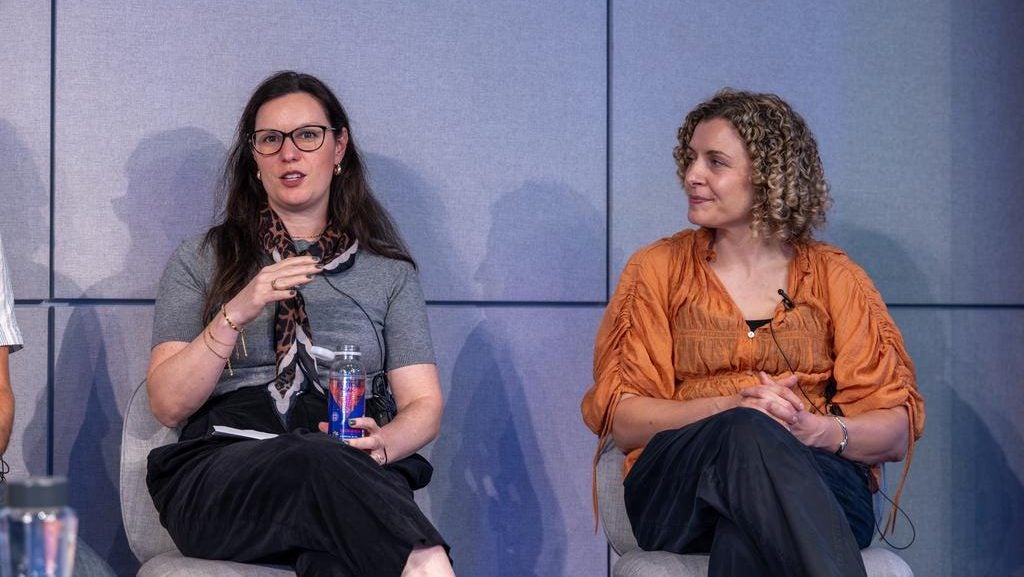
Credit: Arena International
Clarifying benefits
As the number of brands entering the functional category continues to grow, another point raised several times during the event was how brands should be aware that consumers are not looking for a particular ingredient when they buy functional drinks but are looking for a particular benefit or a feeling.
On the second day of the conference, speaking on a panel about the outlook for functional drinks, Eoin Keenan, the CEO and founder of UK CBD drinks brand Goodrays, said making a benefit clear to consumers was central the marketing of his drinks.
“Within our messaging hierarchy, it’s always obviously brand number one but second is like, what does this do? What’s the benefit? How’s it going to make me feel? And then ingredients just validate that,” he said.
During the event, Nestlé’s Del Monte also said producers need to understand how drinkers buy drinks based on a feeling they want to have. “They don’t buy the drinks for what they want to drink, so they either want to feel more hydrated or they want to socialise very clean,” she said. “Any innovation that makes them understand how they feel and delivers them what they want to feel is a big thing.”
For that messaging around a benefit or feeling to be made clear, some brands creating functional non-alc beverages may also face the obstacle of consumers not being aware of what a particular ingredient in a beverage may be able to offer them.
Margit van Hasselt, global marketing manager at B2B ingredients supplier Givaudan, stressed the functional drinks market faces “a lot of barriers”.
One of those, she said was “a lack of knowledge and connection between the ingredient and the benefit” that a drink may look to deliver. “We need to stand up as a beverage industry and help the consumer navigating in this functional beverage space,” she stressed.
Referring to the company’s own research, van Hasselt said Givaudan found “consumers don’t believe just [in] the ingredients alone, they want to have this benefit-centricity.”
If they are unfamiliar with a particular ingredient and the benefits it offers, “it creates uncertainty of the credibility of the product”, she explained.
What is key to attracting consumers is to “build the trust with lesser-known ingredients”, van Hasselt said, by ensuring those ingredients have “proven benefits” but also include ingredients in a drink that are “familiar” in order to “strengthen credibility and appeal”.
“Benefit stacking” versus “need state”
Though some consumers may be seeking a number of benefits in their drinks products, Goodrays’ Keenan also highlighted the importance of not overloading people with too many benefits in a single drink.
“Benefit stacking is very difficult,” he said on the panel. “Calm plus gut health or calm plus protein. It’s quite confusing for the consumer.”
Instead, focusing on a “single need state” is more logical, he explained.
“You can have one pure need state with multiple ingredients, which is a perfectly precisely dosed combination of different things that deliver that need state that nobody else can do.
“If you look at the US market, most of the great functional brands out there have probably two or three key ingredients, and they’re portraying the idea that this is a special combination of the best thing in the world for a calm or for sleep.”
Regulatory hurdles
Sharing those benefits on-pack does not come without hurdles, especially for brands looking to launch products with more novel ingredients.
As Keenan explained, while so many functional ingredients are available, regulation can restrict what claims producers can actually make about their products.
“We’ve got so many amazing, interesting botanicals, adaptogens… But the challenge with a lot of those ingredients is what claims and benefits can you make? What can you actually talk about on-pack, which is still the number one piece of advertising that you have,” he said.
“Then if you don’t have that, well, how much cash can you get to then talk about benefits outside of pack or outside some of the rules and regulations around you know marketing?
“It is a challenging one with any new ingredients but I think that’s why these kinds of brands, these categories, are valuable because the big guys won’t do any of this because it’s too complicated. It’s kind of up to us and the category to work that kind of stuff out.”
Nailing taste and ‘blurring’ occasions
Aside from making the outcome of a drink clear to consumers, producers of functional beverages also need to make a great-tasting drink to ensure people buy it again. But they also need to be clear where and when people should be consuming their products, Del Monte said.
While Del Monte said her main “bet” for long-term growth was “everyday functionality”, she added “nothing will stay if you don’t focus on the taste”.
Del Monte added: “The taste unlocks the curiosity and unlocks that people want to try, and it unlocks trial, and you can even buy trial.
“But then to sustain that, you need to be a really good taste for people to coming back to. Again, people need to understand where they should have their drinks. They need to understand the occasions where you have that and then that the flavour you developed is not just the trend; it’s a long-term thing.”
Occasions themselves are also becoming more “blurred” and “more fluid”, Del Monte added, which non-alc drinks producers should see as an opportunity.
“You see people substituting foods for snacks or foods for drinks and people having a morning gym [session], and then or either working from home or working from somewhere else,” she explained.
“The lives are so more fluid that that’s why we see such different blurring of occasions, of categories, and then that’s when we try to unlock these new occasions.
“I think that’s what we’re trying to look at as well. What new occasions are there? What are people looking for when they are, for example, trying to substitute food for something, and what are they trying to substitute it for?”
Keenan at Goodrays highlighted how functional drinks are also starting to be used not only in daytime but also evening occasions, as an alternative to alcoholic drinks.
Goodrays, he said, was “seeing a real trend” within drinks that target “relaxation” as being consumed “as non-alcohol alternatives throughout occasions, from lunchtime switching off all the way through to afternoon and evening.”
Freya Twigden, the co-founder of UK kombucha brand Fix8, shared a similar perspective on her some drinks were “blurring” into the non-alc category, in that they were being consumed instead of alcohol during the evening.
“That wasn’t necessarily my intention at the beginning but it’s why functional drinks are such a good option, really,” she said.


