

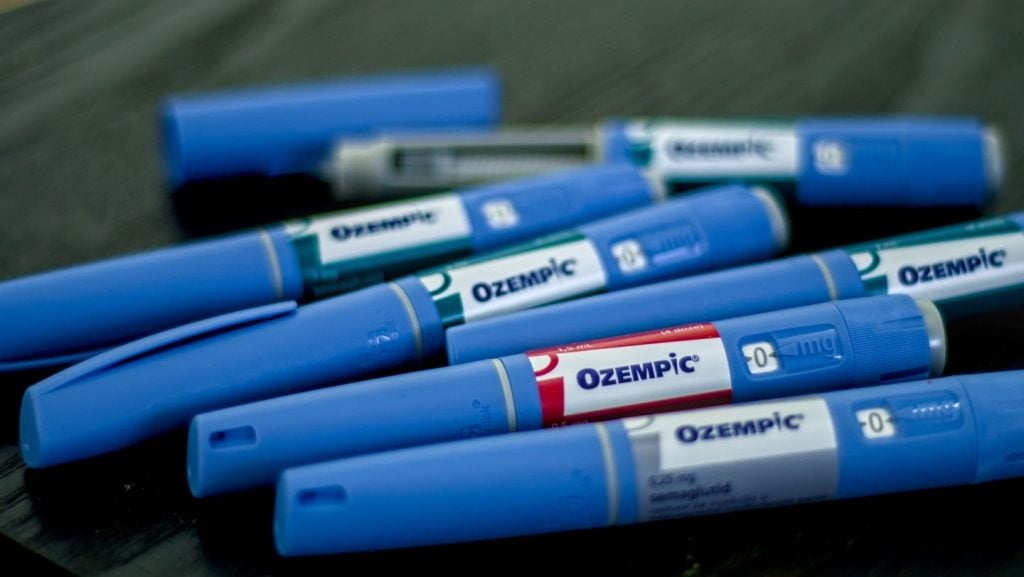
A couple of decades ago, GLP-1 drugs were a specialised treatment for type-2 diabetes but, fast-forward to today, and they have become much more widespread, being sold to help people with obesity and with weight management more broadly.
Up until now, the medication has mainly been available in an injectable format and is by no means cheap. In January, however, the first GLP-1 pill landed in the US, which some expect should speed up intake.
Go deeper with GlobalData


Discover B2B Marketing That Performs
Combine business intelligence and editorial excellence to reach engaged professionals across 36 leading media platforms.
The UK government this week also confirmed plans to expand the availability of the drug on the NHS to patients with obesity and certain heart or circulatory conditions, meaning more patients could soon be able to access the medication for free.
The drugs mimic the GLP-1 hormone, meaning they can slow digestion and increase satiety, among other things. Some studies have also suggested the medication might reduce thirst and water intake.
As a result, people are likely to eat and drink less. When it comes to alcohol, research has also highlighted GLP-1s as being effective in lowering alcohol consumption through, for example, peripheral effects on gastric emptying.
Food and drink producers have already started looking for ways to retain GLP-1 users with products that offer smaller portions and provide the nutrients people might need to retain muscle, or to manage any potential side effects like nausea or constipation.
In contrast, beverage-alcohol producers seem less likely to overhaul their portfolios to attract GLP-1 users. That’s understandable to an extent. A protein-packed lager or vitamin-fortified vodka seems a bit paradoxical.
The topic nonetheless is on the minds of executives across beer, wine and spirits, with producers appearing to approach the issue as part and parcel of the broader growing consumer interest in health and well-being and moderation.
Shifting consumption
According to some industry watchers, research so far shows users of GLP-1 drugs are drinking less. With demand for the medication expected to rise, the industry could see pressure on alcohol consumption.
“That can take the form of fewer drinks per occasion but it also can take the form of fewer occasions, and so you’ve got that double hit,” says Randy Burt, Americas leader of consumer products at management consulting firm AlixPartners.
“In the US, about one in ten adults have tried or are on GLP-1s, so that starts to become an important part of the of the population. It’s expected that adoption will increase as it becomes more affordable, as it becomes more accessible.”
While the US is likely to remain the hotspot for these drugs, parts of Europe could also become another key market, with consumers there “trying to be healthier” and “reduce consumption”, Burt says.
Recent research from US non-profit think tank Rand Corporation suggests nearly 12% of Americans have used these drugs for weight loss.
Just this week, findings from insight consultancy KAM and UK alcohol charity Drinkaware show 7-10% of UK adults are taking GLP-1s, equating to up to 5.5 million people.
The findings are based on results from a survey carried out in February of 1,000 UK adults. Responses from 207 adults who take or have previously taken GLP-1 drugs were also included in the report.
According to the research, users’ average drinking frequency dropped 29% while average alcohol intake dipped 16%. Weekly expenditure on alcohol for home consumption also dropped 22% while usual on-trade spend declined 30%.
The idea of any challenge to the alcohol industry being a structural problem is, unsurprisingly not a popular opinion in the sector but, according to Burt at AlixPartners, GLP-1s are exactly that.
“If you get 10% of the population, that would be also in your sweet spot in terms of the demographics you’re trying to target for especially higher-end beverage alcohol offerings. Let’s say they reduce by 50% what they consume, well, that’s going to have a material impact on demand.”
Some in the industry, however, feel it’s too soon to determine what the actual effects of GLP-1s on the bev-alc industry might be.
“Anyone who gives you a definitive answer is talking rubbish because no one knows,” Campari Group’s CEO Simon Hunt tells Just Drinks, though he does highlight four trends the company has gathered so far on how the drugs impact alcohol consumption.
“One, when people go on it, they don’t drink at all. They don’t eat, they don’t go out. They don’t drink,” he says.
“The second one is some people go on it, they carry on drinking exactly what they were before, or pretty close to it, so there seems to be a variation, and it affects people in different ways.
“The third area is that you see a ‘Weight Watchers effect’. What happens is people go on it for two months, they come off it and go back to exactly what they’re doing before.
“The final part, which is the more interesting one, is we’re now seeing that, when people have lost the weight, they want to go and show people, so they want to be sociable. They want to get out.”
Overall, Hunt adds, it is still unclear “what the knock-on effect of these four different things are”.
Hamish Renton, the founder of UK-based food-and-drinks consultancy HRA Global, also says users respond differently to GLP-1 drugs, with some coming off them and then returning to prior drinking habits. The overall impact on bev-alc in the long-run though will be negative, he stresses.
“They’ll be patchy in their consumption but that will net out to a lower consumption overall,” he says. “You can’t sort of sweeten or pimp the drinks to actually get round this. You could put all the sour cherries you like, all the carbonation, all the lime, all the exciting kind of cocktails that you like. It still won’t work, because the total pleasure that you’re getting is lower.”
Symptom of a wider trend
The beverage-alcohol industry generally seems to see the potential threat of GLP-1s as one layer in the the overall growing consumer interest in health and wellbeing and move to moderation.
Ivan Torossian, consulting director at GlobalData, Just Drinks’ parent, doesn’t see the drugs as “a standalone shock to alcohol” but more “an acceleration of trends that are already happening that you probably hear of all the time, like moderation, the growth of no-and low- alcohol”.
This is also a view shared by Matthew Deller, the CEO of Australian wine group Wirra Wirra, who believes the drugs “will only be another catalyst to the general health and wellbeing movement to moderation” that has been accelerating since the Covid-19 pandemic.
Wirra Wirra has been adjusting its strategy to prepare for changing consumer habits by placing its focus “on naturally lower alcohol wines” under 13% abv, Deller says.
In the past year, the group has recently added to its portfolio with the acquisition most recently of a local Grenache vineyard earlier this month, and of Hahndorf Hill last year.
“I wouldn’t say we bought Hahndorf Hill because of GLP-1 drugs but it’s sort of the global trend which GLP-1s are a part of,” Deller adds.
Product innovation
With changing drinking habits comes opportunity for innovation. But unlike the food industry, bev-alc players aren’t developing new products that look to exclusively target GLP-1 users.
This is something that is particularly tricky for the beer industry to do, says Luke White, the managing director of the UK business of Spanish brewer Damm.
“It’s really hard for a beer company to do that because of legislative reasons and making sure your claims are right, so I wouldn’t say that we would actively pursue a GLP-1-focused strategy,” he says.
While producers might not want to say new products are designed for those on GLP-1s, some industry watchers do see producers being able to continue attracting these consumers, especially if they focus on low-calorie, low-sugar and low-and-no-alc options.
As GlobalData’s Torossian explains, once producers build an “insights engine” on GLP-1s, their next job will be “rebalancing the portfolio”.
He adds: “It’s innovation and renovation, if you don’t want to leave your brand. Low- and no-alcohol, across beer, wine, spirits, and then also have that option for lower sugar, lower calorie… that resonates with everyone, not just GLP-1 [users]”.
For Burt, beer is one category that is less likely to see a negative impact from GLP-1s. “Frankly, beer, I think, is less at risk, and is also out in front of it a little bit in terms of having a more fulsome, non-alcoholic offering.”
White at Damm doesn’t see beer players creating a GLP-1 strategy specifically but he does expect brewers to be focused on developing a portfolio that taps into broader health trends.
He adds: “We’re quite nicely positioned where in our portfolio, in the UK, specifically, the two growing areas in the category are no-and-low and world lager. That’s kind of where our portfolio is weighted and we will be spending a lot more time on the development of the low-and-no sector, be that flavour or new abv”.
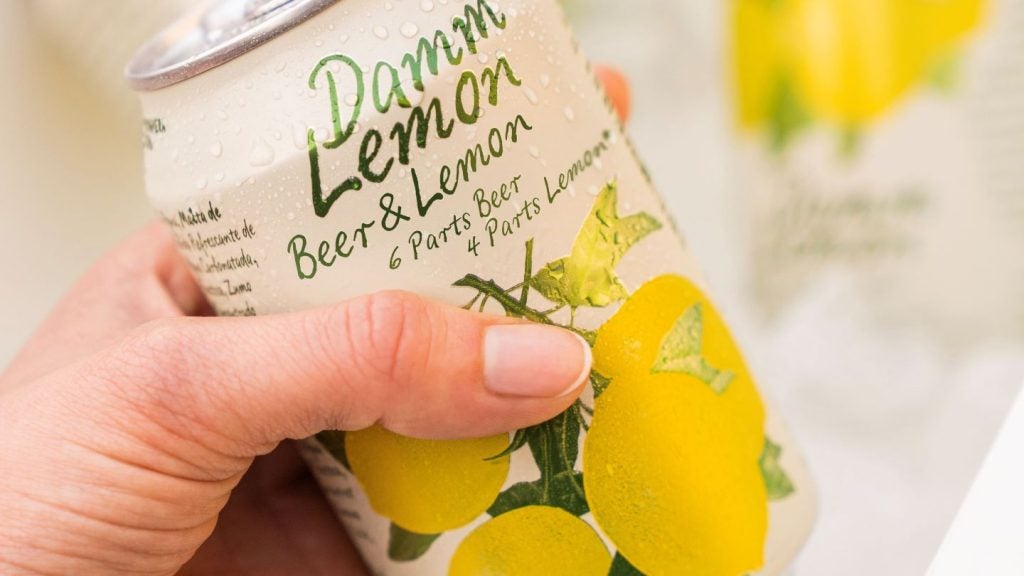
In the UK, Damm’s no-and-low range includes an 0.0% abv variant of Estrella Damm. It also sells low-alc brands Rosa Blanca and Damm Lemon.
As GlobalData’s Torossian noted earlier, when it comes to providing low- and no-alc options that GLP-1 users can enjoy, low-sugar offerings are important. But providing this within low-and-no-wine could be a challenge, with the R&D in these drinks being “not quite there” yet, he says.
Deller at Wirra Wirra has a similar view. He sees smaller formats as a way to offer consumers a lower quantity they can still enjoy but doesn’t see non-alc wines being a route producers should go down.
“We have to earn that place in people’s wine glasses,” says Deller. “We have to make wines that where people feel like they’re not wasting their alcohol consumption and of course supporting with small formats. I don’t see ‘de-wineing’ wine as the answer”.
Others do see an opportunity for attracting GLP-1 users with low-and-no wines. For Helen Kurtz, chief marketing officer of US-based The Wine Group, the increasing use of the drugs is helping the business “stretch our offerings”, she says.
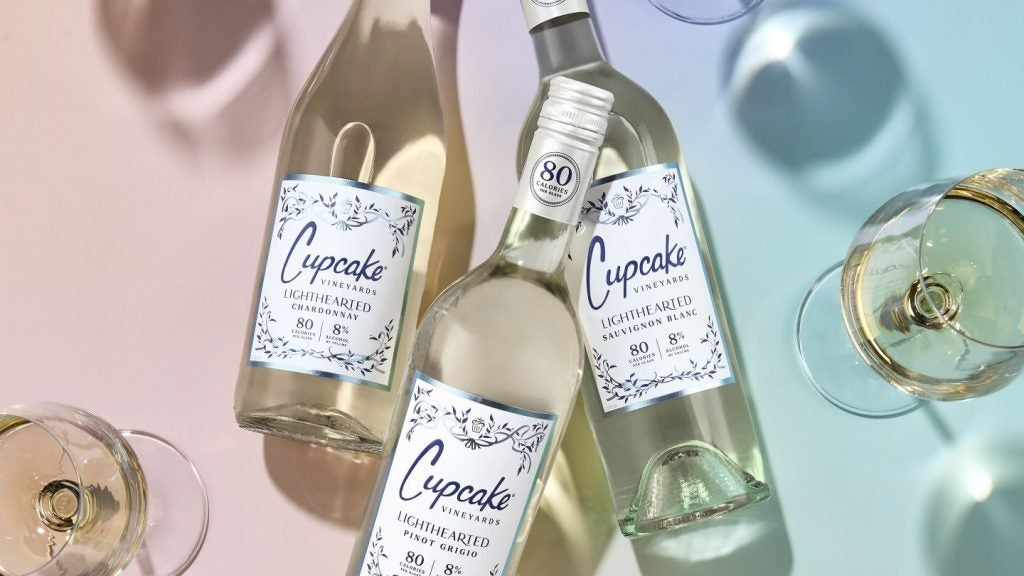
The group already produces half-bottle and 175ml formats through its Cupcake and Chloe wine brands, as well as non-alc and low-alc varieties that are lower in calories than the higher alcohol SKUs.
One product the company has in its pipeline that Kurtz thinks could appeal to consumers on GLP-1 drugs is called Emphasis. Launching in the US later this year, the wine has no added sugar and a “simplified ingredient deck”. She adds the group is also exploring the possibility of adding functional ingredients like collagen to its wines.
While Kurtz believes GLP-1 users will be able to enjoy these products, its ongoing portfolio development is not aimed just at these consumers.
“That’s absolutely in our mind, but… even if you’re not on a GLP-1, it’s hard in a world of Instagram and social media, not to be aware of appearance and taking care of your health and wanting to ingest the right things,” Kurtz says.
White at Damm also expects the medication, alongside the broader health and wellbeing trend will encourage more innovation within beer.
“I don’t think it will just be around use or less use of sugar, either. Now we’re already starting to see people introduce things like magnesium and I think we will start to see more and more of that,” White says.
Damm is looking at developing beverages with added functional benefits, White says but was he unable to provide further details.
Premiumisation has a shot
Industry watchers also see an opportunity for producers to attract GLP-1 users by focusing on premiumisation.
AlixPartners’ Burt sees premium wines and spirits being negatively impacted by increased GLP-1s uptake specifically. “If you look at the overlap of GLP-1 users and the demographics of that population and you look at where premium spirits and wine tend to play, there’s a more significant overlap than maybe what you would say there is on the beer side.”
Despite this, he expects bev-alc players will continue to use premiumisation as a tool to retain consumers, as GLP-1 users align with the idea of drinking ‘less but better’.
“You’re going to start to see those segments come together more and more and people figuring out, ‘if [they are] only going to have one drink instead of three, how do I make sure I provide an offering that’s really high-end, that’s really high quality, that fits that mould?” he says.
Producers should also be “attaching more and more to celebratory occasions and occasion-based drinking, versus maybe the day-to-day” where people could be more likely to cut on consumption, Burt suggests.
He adds these premium offerings are about offering a “more unique experience” through flavour as well as storytelling around “provenance and history and tradition in beverage alcohol, and appeal to those consumers that care about those elements of it”.
As well as smaller sizes, HRA Global’s Renton expects bev-alc players will look to develop products with “bolder flavours” that are “more interesting and [have] novelty”.
“They would tend to drink less but drink slightly more expensive,” he says. “Insofar as there’s a silver lining for alcohol producers, that’s it. You may well get, over time, a kind of upshift in value, because people are seeking novelty.”
Keeping a watchful eye
For now, it appears the alcohol industry is, generally, not placing GLP-1s front-and-centre in their product strategies.
Instead, most believe the sector can continue attracting users on the medications by developing a portfolio that meets the broader consumer trends around health and moderation.
That doesn’t mean the trends and developments around these drugs are being ignored. As Campari’s CEO Hunt clearly puts it: “We’re following very closely on this.”
If there’s one thing that some in the industry are hoping this medication won’t impact it’s the socialisation tied to alcohol consumption and drinking occasions.
As Hunt says: “What GLP-1s can’t do is replace that amazing human connection that you have of sitting down, enjoying a drink together, enjoying food together and that conviviality. That’s never going to be replaced by GLP-1s, no matter what they end up doing.”


