
Zamora Company, a 100% family-owned Spanish producer and marketer of premium wines and spirits, has won the Business Expansion (Route-to-Market) and Environmental (Carbon Reduction) awards in the 2025 Just Drinks Excellence Awards for combining a structured go-to-market strategy with a measurable program to reduce its operational carbon footprint.
Active in more than 80 markets, and a team of over 580 people, the company has built an international footprint while framing its growth within a Conscious Company model.
Go deeper with GlobalData


Discover B2B Marketing That Performs
Combine business intelligence and editorial excellence to reach engaged professionals across 36 leading media platforms.
Zamora Company won the Business Expansion award for building a resilient international growth platform that links disciplined market entries, portfolio investments, and channel strategies. The company won the Environmental award for delivering demonstrable cuts in operational emissions through a structured decarbonization plan embedded in its strategy.
Route-to-market expansion and international performance in premium spirits
Zamora’s recent expansion shows how its structured route-to-market approach translates into financial resilience. In 2024, the group generated €260 million in revenue, increased net profit by 9.8%, and reduced its debt by 56% to €23 million. Just over half of its sales now come from international markets, with growth in Latin America and the United States helping the slight contraction in more mature European markets. Over the last four fiscal years, net profit has increased by 18%, rising from €16.5 million in 2021 to €19.5 million last year. These results are driven by the efficiency and cost optimization policies implemented by the company at all levels, enabling it to improve margins, maintain profitability, and strengthen its strategy in key markets.

The company has deliberately diversified its footprint across regions and channels. Top-performing markets in 2024 included the United States, Germany, the Netherlands, Brazil, and Mexico, reducing reliance on any single geography. This spread allows Zamora to balance differing demand cycles and regulatory environments and makes its distribution network less exposed to local macroeconomic or category-specific pressures.
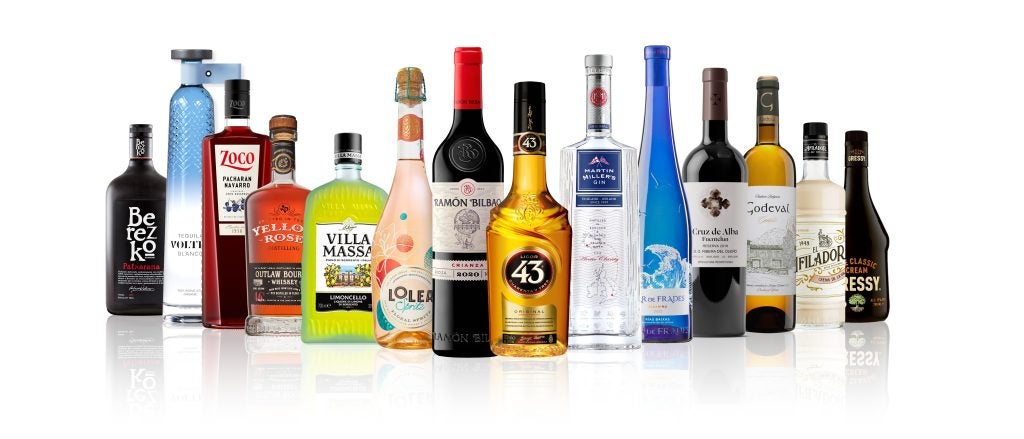
Zamora Company’s portfolio is structured to make its route-to-market system more effective and resilient. In 2024, Licor 43 and Ramón Bilbao brands accounted for most of the business, contributing 44% and 27% of revenue respectively, with Mar de Frades, Villa Massa, and Martin Miller’s Gin together adding a further 15%. Around these anchors, the company develops brands such as Lolea, Zoco, Cruz de Alba, Yellow Rose, and Godeval and complements them with distributed partners, including Tequila Don Ramón, Tito’s Vodka, and Ron Abuelo. This combination broadens occasions and price tiers for trade customers, while reducing dependence on any single brand or region. The Conscious Company model frames portfolio decisions so that governance, environmental, and social factors are considered alongside commercial returns.
Zamora Company’s market execution, partnerships, and operating model
The company’s recent entry into India illustrates how its route-to-market approach is applied in practice. In 2025, Zamora Company partnered with Monika Alcobev, a local importer with strong coverage in key states and a focus on premium on- and off-trade channels. Through this partnership, Licor 43 is being launched in premium-focused bars and specialist retail, supported by flavor variants and signature serves, while Martin Miller’s Gin and Villa Massa products are also added to the portfolio. This consolidated, fit-for-market platform allows Zamora to use one established import partner to introduce several premium brands at once, improving the speed and efficiency of market entry.
Strategic brand and capacity moves are closely linked to these route-to-market priorities. In 2024, Zamora completed the full acquisition of Martin Miller’s Gin, securing full control over a premium gin that plays an important role in its international portfolio. In parallel, the company invested €2 million to double production capacity at its Villa Massa Limoncello facility in Sorrento, ensuring that supply can keep pace with growing demand in core and export markets, including travel retail. As recently as 2025, Zamora Company launched Licor 43 in India via a partnership with Monika Alcobev, marking a strategic entry into a high-growth, premium spirits market.
Trade and lifestyle platforms support this distribution strategy. Regular participation at the TFWA World Exhibition & Conference in Cannes places Zamora within the duty-free and travel-retail ecosystem, where it showcases core brands and introduces channel-specific innovations and exclusives. ProWein in Düsseldorf provides a complementary venue to engage with international wine and spirits buyers and reinforce distribution relationships. Lifestyle events and sponsorships add another layer, helping to position brands within relevant consumption occasions as Zamora enters or develops new markets.
These external efforts are underpinned by internal modernization. The “One Agile Global Company” (OAGC) model and SAP roll-out have standardized key processes across markets, improving demand visibility, execution speed, and cost-to-serve. This makes it easier to coordinate portfolio, capacity, and market-entry decisions as part of a single, integrated operating system.
Carbon reduction in beverage production: Energy and emissions management at Zamora Company
Zamora Company’s recognition in the Carbon Reduction category reflects the implementation and results of its Energy Efficiency and Decarbonization Plan 2024, developed under its broader Conscious Company model. Sustainability is treated as a strategic enabler, with climate action, energy efficiency, circular economy, and biodiversity integrated into core operations. The company is a member of the United Nations Global Compact, aligns its reporting with the 2030 Agenda and the SDGs, and applies a double materiality approach in line with the new CSRD Directive.
Within this framework, Zamora Company has focused on reducing energy consumption and decarbonizing its energy mix. In 2024, total energy consumption fell by 2.43%, while energy intensity remained stable at 0.25kWh per liter bottled, indicating that efficiency was maintained despite changes in volume. At the same time, 61.7% of total energy consumption came from renewable sources, demonstrating a clear move toward a cleaner energy mix.
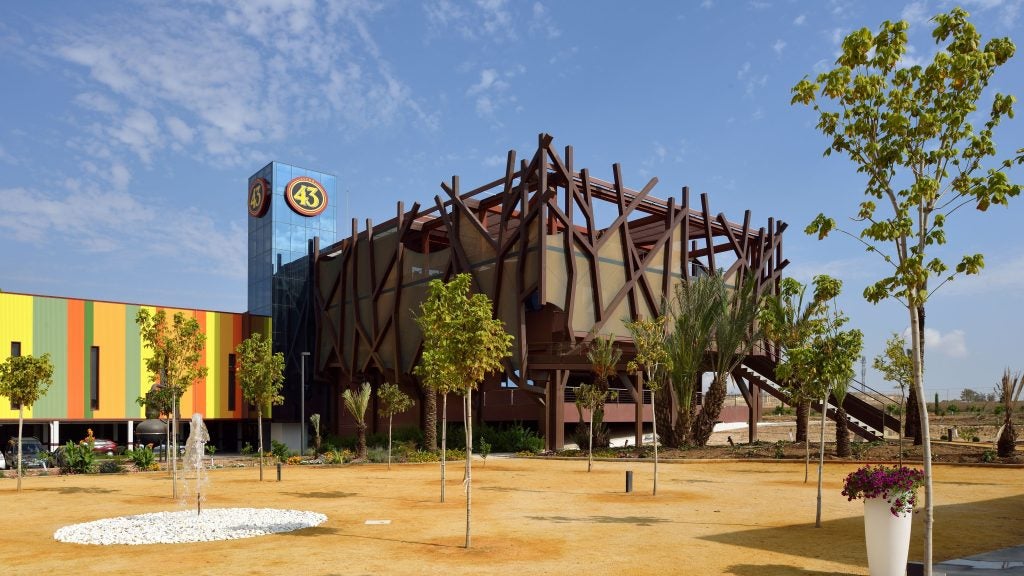
These results are linked to specific investments and operational changes. Photovoltaic systems at the Ramón Bilbao (Haro) and Licor 43 (Cartagena) facilities provide on-site renewable electricity, complemented by the exclusive purchase of 100% renewable electricity from the grid. Biomass boilers at the Cartagena, Haro, and Rueda sites have replaced fossil fuels for process heat and have delivered emission reductions over several years. Together, these actions structurally reduce Scope 1 and 2 emissions and lower exposure to fossil energy price volatility.
Efficiency measures reinforce the impact of this fuel switching. The company has replaced existing lighting with LED technology, cutting lighting-related energy use and reducing maintenance needs. Internal awareness programs on responsible energy use support these technical measures and help embed energy-saving behavior in day-to-day operations.
The impact of these measures is evident in Zamora Company emissions profile. Scope 1 and 2 greenhouse gas emissions fell by 12% in 2024, from 914 tCO₂e to 808 tCO₂e, and emissions per liter bottled were reduced by 8%. These audited, externally verified figures reflect the operational changes in energy sourcing and efficiency rather than one-off adjustments.
Sustainable packaging, waste management, and carbon governance at Zamora Company
Packaging has been a further lever in Zamora Company decarbonization plan. Through eco-design, the company has reduced glass weight, optimized paper and cardboard use, and simplified packaging to improve recyclability across core brands. Lightweighting of the Licor 43 bottle alone reduced annual glass usage by more than 100 tons. Revised packaging for Ramón Bilbao (Haro) and Licor 43 (Cartagena) has removed a further 16.3 tons of cardboard and 13 tons of paper respectively, while simplifying decoration on Licor 43 Baristo reduces transport-related emissions and makes the bottle easier to recycle.
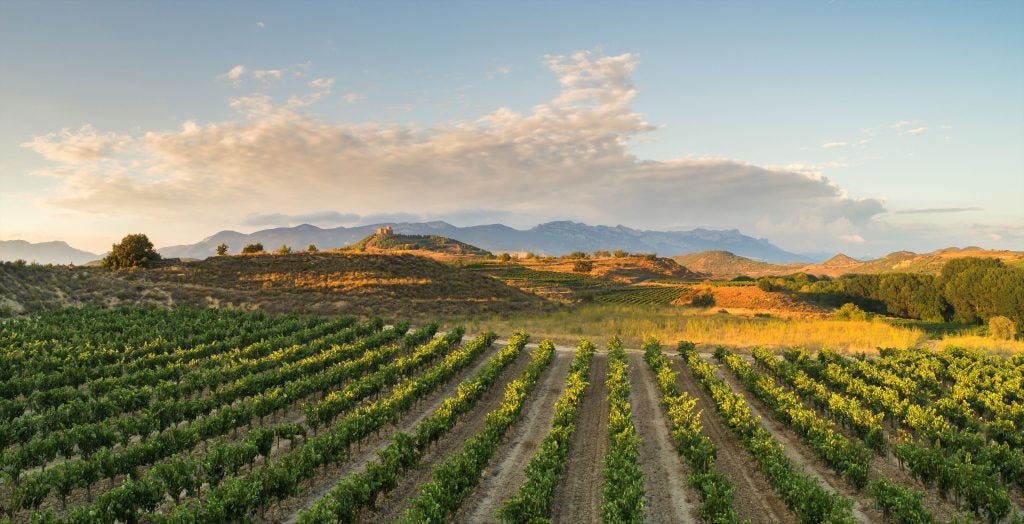
Waste management reinforces Zamora Company carbon and resource strategy. In 2024, 94% of waste was recovered and only 6% went to landfill, while recyclable solid waste dropped by 21.9%. Winemaking byproducts are used as organic fertilizer in the vineyards, supporting soil health and closing material loops in line with the company’s circularity and biodiversity goals.
Zamora Company has also strengthened the way it measures and governs its carbon footprint. In 2024, it began a comprehensive recalculation of Scope 3 emissions across its Spanish plants, widening the categories included and using ISO 14064 as the standard for corporate carbon footprint calculation. This gives the company a more robust baseline for tackling value-chain emissions in areas such as packaging, logistics, and procurement.
Its environmental management systems are supported by recognized certifications. The Cartagena and Dicastillo plants hold ISO 14001, Cartagena has achieved BREEAM certification, and the Ramón Bilbao and Mar de Frades wineries are certified under SWfCP. Ramón Bilbao has also obtained the IWCA Silver seal. Maintaining these certifications through internal and external audits indicates that Zamora’s environmental performance is supported by formal management systems as well as individual projects.
Many of the measures introduced in 2024 are intended to be replicable. Solar self-generation, biomass heat, packaging eco-design, and organic waste recovery can be applied across the company’s global network. With long-term goals of net zero emissions by 2050 and zero waste by 2025, Zamora decarbonization plan illustrates how emissions reductions, cost considerations, and operational resilience can be pursued together when environmental strategy is integrated into the core business model.
Furthermore, the ‘Experiencia 43’ visitor center has obtained the ‘Q’ for Tourism Quality certificate and renewed the ‘S’ for Sustainability seal, certifying the company’s commitment to tourism excellence.
Marisa Almazán, Head of Sustainability & Corporate Comms, said, “Being part of Zamora Company means sharing a way of understanding business where profitability and responsibility go hand in hand.”
Company Profile
Zamora Company is a 100% family-owned Spanish company that produces and markets high-value-added spirits and wines, focusing on customer satisfaction and the creation and development of premium brands. Operating in more than 80 countries, Zamora Company has an experienced international team of over 580 people and an extensive portfolio of premium brands, with production plants in Spain, Italy and the USA, and an annual turnover of €260 million (2024).
With almost 80 years of history, the Spanish company originated with Licor 43 and today owns internationally renowned brands such as Licor 43, Ramón Bilbao, Limoncello Villa Massa, Martin Miller’s Gin, Lolea, Mar de Frades, Zoco, Cruz de Alba, Godeval, Thunder Bitch, El Afilador, Yellow Rose, Tequila Volteo, and Berezko. Additionally, the company distributes other brands that complement its family portfolio, including Tequila Buen Amigo, Ron Abuelo, Champagne Pommery, Tito’s Vodka, and Tequila Don Ramón, among others.
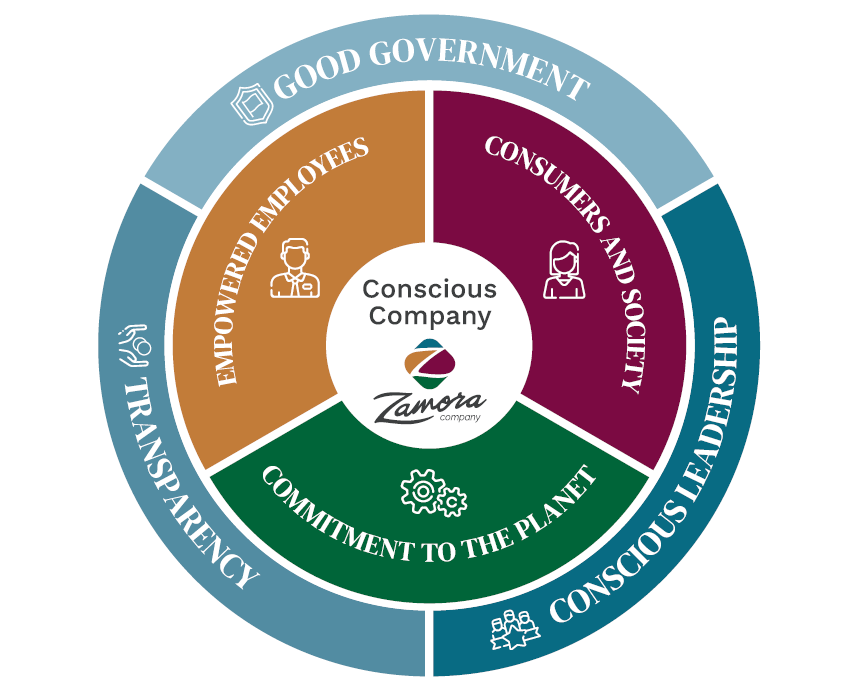
The company is committed to sustainable development through its Conscious Company Plan, which defines its commitment to the planet, employees, consumers, and society through three fundamental axes: good governance, transparency and conscious leadership. For more information, visit www.zamoracompany.com
Links
Website: https://zamoracompany.com/


